Charge residents for exactly what their EV uses. Any AC charger.
Put a smart meter or breaker on each charging bay. Residents prepay, every kWh is deducted from their own balance, and the bay cuts off automatically when it runs out. Works with basic AC chargers, no OCPP required.
Sound familiar?
Charging on common power
Residents plug into the car park supply and the management corporation pays everyone's charging bill.
Disputes over who pays
Without per-bay metering, there's no fair way to recover EV charging costs.
Expensive smart chargers
OCPP chargers and billing back-ends cost far more than the simple AC chargers residents already own.
How it works
- 01
Meter each bay
A wall-mounted meter beside each charger, a DIN-rail meter in the distribution board, or a PSNA-6 breaker channel per bay.
- 02
Resident tops up
Residents prepay online, or management tops up balances directly.
- 03
Every kWh deducted
Charging energy is deducted from that resident's balance at the rate you set.
- 04
Cut-off at zero
The bay switches off when the balance runs out, and is switched back on remotely after top-up.
Recommended meters
 Splinergy PSNA-6
Modular Smart Breaker System
Splinergy PSNA-6
Modular Smart Breaker System
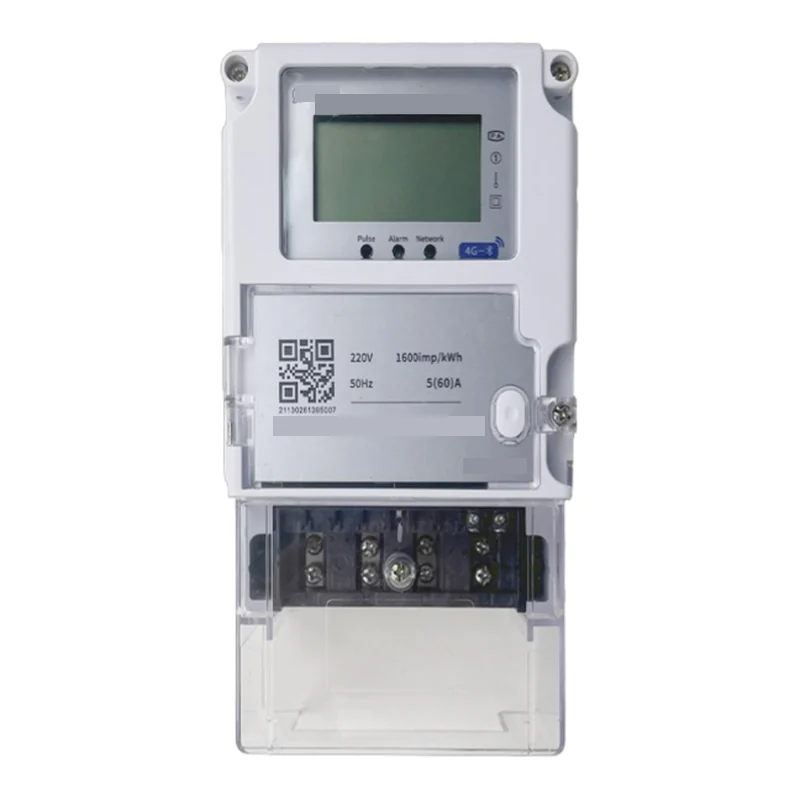 SplinergySW W1P-4G
Single-Phase Wall-Mounted Smart Meter (4G)
SplinergySW W1P-4G
Single-Phase Wall-Mounted Smart Meter (4G)
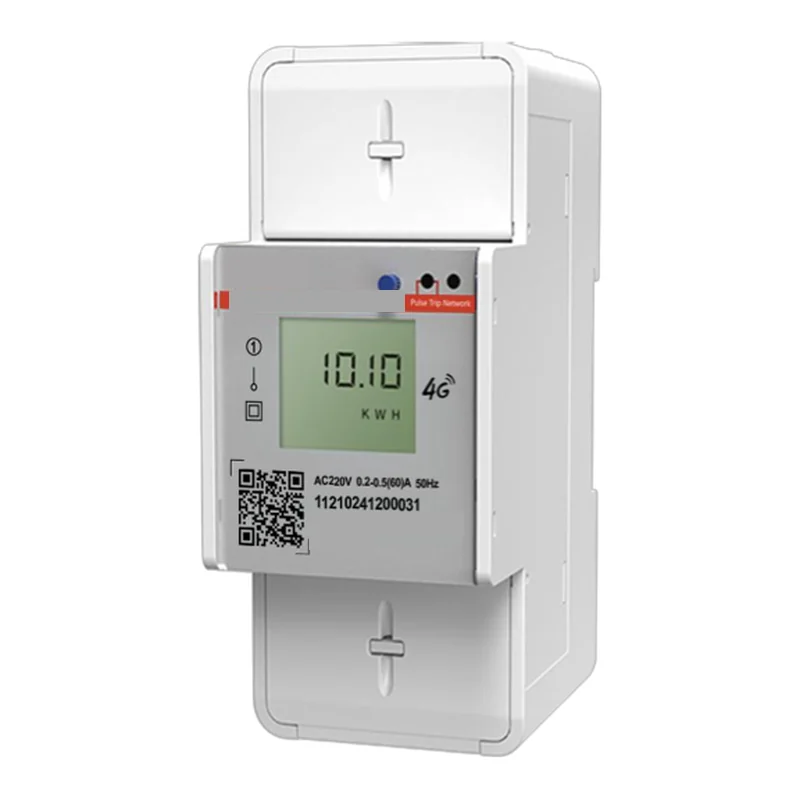 SplinergySW D1P-4G
Single-Phase DIN-Rail Smart Meter (4G)
SplinergySW D1P-4G
Single-Phase DIN-Rail Smart Meter (4G)
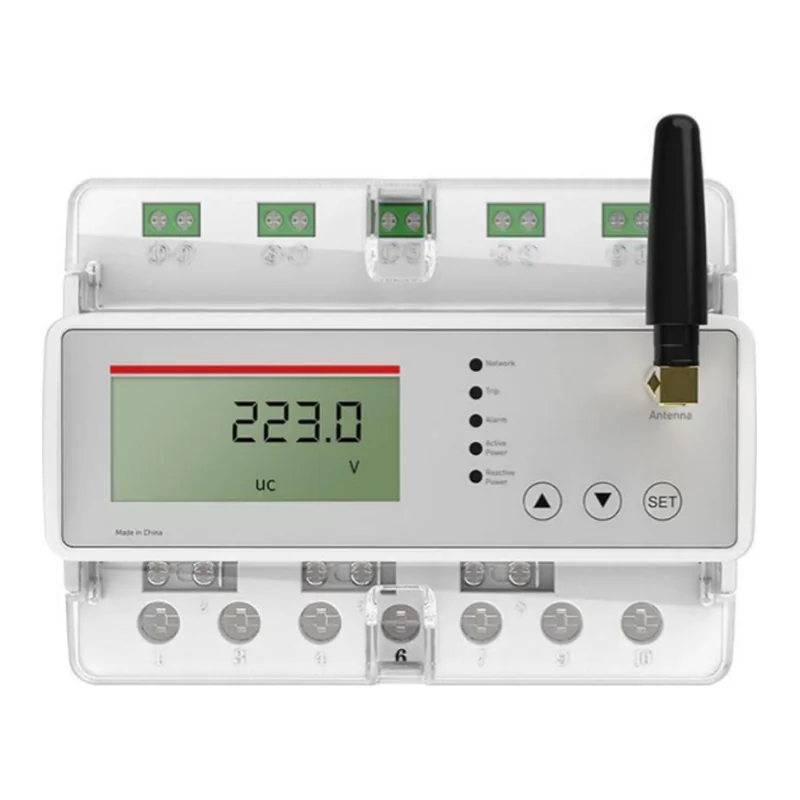 SplinergySW D3P-4G
Three-Phase DIN-Rail Smart Meter (4G, Direct)
SplinergySW D3P-4G
Three-Phase DIN-Rail Smart Meter (4G, Direct)
4G meters need a data plan: M2M SIM plans from RM 35 per year, SIM card free.
Estimate your cost
List prices. Excludes installation. Optional online payments: 5% per tenant top-up. Large sites: contact us for custom pricing.
Get an exact quoteBuilt into the platform
Per-bay balances
Each resident's bay has its own prepaid balance and usage history.
Leakage protection
With the PSNA-6, configurable 10–30 mA residual-current protection on every bay.
Remote on / off
Enable or disable any bay from the dashboard.
Your rate per kWh
Set the charging rate per bay in the owner dashboard.
Common questions
How does prepaid electricity work?
Each meter has its own balance. Tenants top up, the balance drops as electricity is used, and supply cuts off automatically when it reaches zero. Once the tenant has topped up, you switch the power back on remotely from the platform, with no site visit needed.
What is the difference between a smart meter and the PSNA-6 breaker?
Smart meters measure usage, handle billing and can switch supply on or off. The PSNA-6 modular breaker adds breaker-grade protection on each circuit (residual-current/leakage, over-voltage and under-voltage trip) with thresholds set from the cloud.
How do tenants pay, and what are the fees?
With the optional built-in payment gateway, tenants pay by Visa, Mastercard, FPX online banking, DuitNow or e-wallets including Touch 'n Go, GrabPay, ShopeePay, WeChat Pay and Alipay. A 5% payment fee applies to all payment methods and is deducted from each top-up, so a RM 100 top-up adds RM 95 to the tenant's balance. The money goes to the property owner's bank account.
Should I choose 4G or Wi-Fi meters?
Choose Wi-Fi if the building has stable Wi-Fi reaching every distribution board: the hardware costs less and there is no data plan. Choose 4G where Wi-Fi is weak or unavailable, such as basements, meter rooms and remote sites.
Who installs the meters?
Meters are installed inside the distribution board. Our team can install them for you, or your own registered electrician or contractor can do it. Tell us about your site and we'll advise on the right setup.
How much does the Splinergy platform cost?
The Splinergy platform is RM 10 per meter per month, on a 12-month contract paid upfront (RM 120 per meter per year). On the PSNA-6, every module counts as one meter, including the gateway. Hardware is a one-time purchase from RM 130, and 4G meters need a data plan from RM 35 per year. For large sites, contact us for custom pricing.
Adding EV charging to a building?
Tell us how many bays and what chargers you have, and we'll recommend the setup.